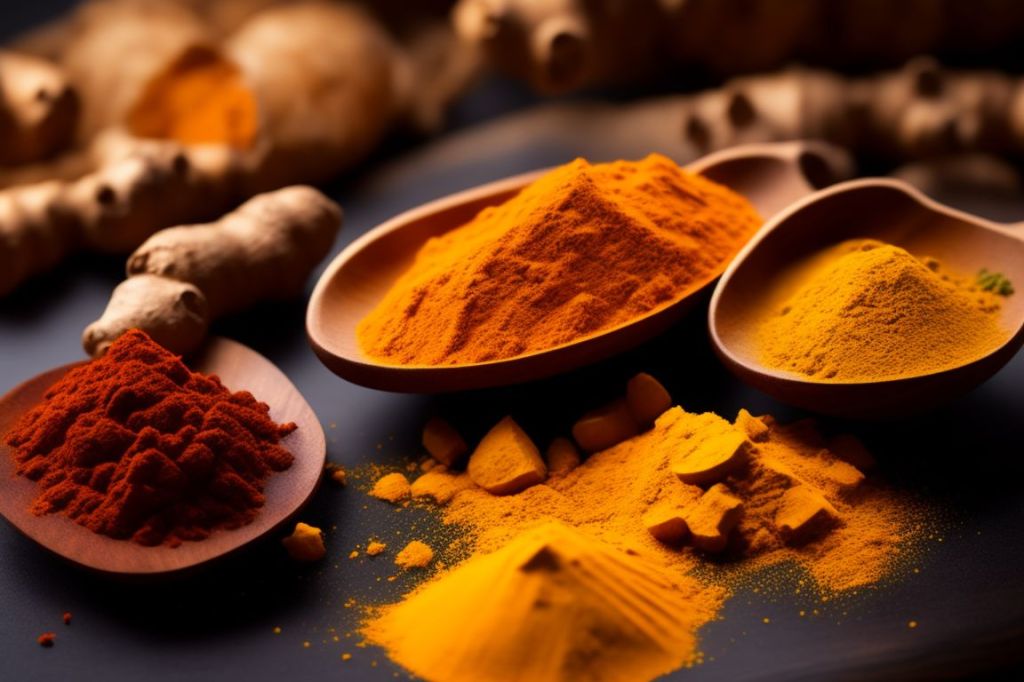
Turmeric is a well-known spice used for centuries in many cultures for culinary and medicinal purposes. Also known for its bright yellow color and warm, bitter taste and is a staple ingredient in many curry dishes. However, turmeric also has powerful anti-inflammatory properties, making it a precious addition to any health regimen.
Inflammation is a body`s natural response to injury or infection and is an essential part of healing. Chronic inflammation can cause many health problems like heart disease, arthritis, and cancer. By reducing inflammation, turmeric can help prevent and alleviate these and other health issues. Curcumin is an active ingredient of turmeric. It is a natural anti-inflammatory compound.
Turmeric added to your diet is one of the most effective ways to incorporate it into your food. It can be used in many dishes, from soups and stews to curries and rice dishes. Turmeric is also commonly used to flavor and color mustard, added to smoothies, or sprinkled on roasted vegetables for added flavor and nutrition.
Another way to take advantage of the anti-inflammatory properties of turmeric is by taking a supplement. Many turmeric supplements on the market come in many forms, including capsules, tablets, and powders. Choosing a high-quality supplement with a standardized amount of curcumin is vital to ensure you get the full benefits of this powerful spice.
Suppose you want to use turmeric to reduce inflammation. Turmeric can interact with medications and should be used cautiously in people with gallbladder disease or kidney stones. In that case, talking to your healthcare provider first is essential, especially if you take any medications or have any underlying health conditions.
In conclusion, turmeric is a versatile and flavourful spice with many health benefits. Its anti-inflammatory properties make it a valuable addition to any diet and can be used in various ways to support overall health and wellness. Whether you add it to your food or take a supplement, incorporating turmeric into your daily routine is an effective way to take advantage of its many health benefits.
Your support is greatly appreciated
If you enjoy the content on my blog and would like to support me, please consider making a donation. Your contribution will help me create more relevant articles and explore new topics.
Our skin goes through changes that can leave it looking dull, dry, and prone to wrinkles and other signs of ageing. While many products on the market claim to help reverse these signs of ageing, they can be expensive and full of synthetic ingredients that may not be good for our skin or our overall health.
Fortunately, many natural remedies can help us combat the signs of aging without exposing ourselves to potentially harmful chemicals. Two of the most effective natural treatments for anti-ageing are herbal remedies and essential oils. In this article, we’ll explore some of the best herbal and essential oil remedies for anti-ageing and how to use them.
Herbal Remedies for Anti-Ageing
Herbs have been used commonly to treat various ailments, and many of them are also great for anti-ageing. Here are some of the anti-ageing remedies:
Rosemary: is rich in antioxidants that can protect the skin from free radicals that can cause damage. It also has anti-inflammatory properties. It can reduce redness and irritation in the skin. To use rosemary for anti-ageing, make tea by steeping dried rosemary in hot water for 10-15 minutes. Drink the tea or use it as a facial toner by applying it with a cotton pad to your skin.
Sage: Sage is another herb rich in antioxidants and anti-inflammatory properties. It also contains rosmarinic acid, which can help improve skin elasticity and firmness. To use sage for anti-ageing, make tea by steeping dried sage in hot water for 10-15 minutes. Drink the tea or use it as a facial toner by applying it with a cotton pad to your skin.
Thyme: is rich in antioxidants and has antiseptic properties, which can help keep the skin clean and clear. It also contains thymol, which helps improve skin texture or reduce the appearance of fine lines and wrinkles. To use thyme for anti-aging, make tea by steeping dried thyme in hot water for 10-15 minutes. Drink the tea or use it as a facial toner by applying it with a cotton pad to your skin.
Lavender: has calming and relaxing properties, but it’s also great for anti-ageing. It contains antioxidants that can help protect the skin from damage and anti-inflammatory properties that can help reduce redness and irritation. To use lavender for anti-ageing, make tea by steeping dried lavender in hot water for 10-15 minutes. Drink the tea or use it as a facial toner by applying it with a cotton pad to your skin.
Essential Oil Remedies for Anti-Ageing
They are highly concentrated plant extracts that are great for a variety of purposes, including anti-ageing. Best essential oils for anti-ageing:
Frankincense:
Frankincense essential oil is known for its ability to improve skin tone or reduce the appearance of fine lines and wrinkles. It also promotes cellular regeneration and collagen production, which can help keep the skin looking youthful. To use frankincense essential oil for anti-ageing, just add 3-4 drops to a carrier oil like coconut or jojoba oil. Then apply it directly to your skin.
Lavender:
Lavender essential oil is excellent for anti-ageing because it contains antioxidants that can help protect the skin from damage. Its anti-inflammatory properties can reduce redness and irritation. To use lavender essential oil for anti-ageing, add 3-4 drops to carrier oil. Then apply it directly to your skin or add it to a diffuser to enjoy its calming aroma.
Rose: is excellent for anti-ageing because of its hydrating and nourishing as well as astringent properties that can tighten and firm the skin. To use rose essential oil for anti-ageing, add 3-4 drops to carrier oil. Then apply it directly to your skin or add it to a facial mist or toner.
Carrot Seed: is rich in antioxidants, can defend the skin from damage that was caused by free radicals, and promotes skin cell regeneration and collagen production. It can also reduce the appearance of fine lines and wrinkles. To use carrot seed essential oil for anti-ageing, add 3-4 drops to a carrier oil and apply it directly to your skin.
Geranium: Geranium essential oil is excellent for anti-ageing because it improves skin elasticity and firmness. It also has a balancing effect on the skin’s oil production, which can help prevent breakouts and keep the skin looking healthy. To use geranium essential oil for anti-ageing, add 3-4 drops to carrier oil. Apply it directly to your skin or add it to a facial mist or toner.
How to Use Herbal and Essential Oil Remedies for Anti-Ageing
Now that you know some of the best herbal and essential oil remedies for anti-ageing, here are some tips on how to use them:
Remember to always dilute essential oils before using them on your skin, as they are very concentrated and can cause irritation to the skin. To dilute essential oils, add 3-4 drops to a carrier oil (coconut or jojoba oil), and mix all well.
Do a test on the skin before using any new herbal or essential oil remedies. This will help you ensure that you’re not allergic to the ingredients.
Use caution when using herbal remedies if you’re pregnant, nursing, or have a medical condition. Some herbs may interact with your medications or cause adverse reactions in specific individuals.
Use herbal remedies as facial toners by applying them to your skin with a cotton pad. Drink herbal teas to get the benefits from the inside out.
Add essential oils to your skincare routine by adding 3-4 drops to your moisturiser or using them in a facial mist or toner.
Conclusion
Natural remedies, herbs, or essential oils used for anti-ageing can be an effective and affordable way to make your skin look youthful and healthy. When using these remedies, it’s vital to use caution and do a test on a small patch of skin first to ensure that you’re not allergic to the ingredients. With consistent use, you can enjoy the benefits of these natural remedies and keep your skin looking its best for years to come.
As a woman, it’s crucial to prioritise your health and wellness by incorporating essential oils and herbs into your daily routine. These natural remedies can help alleviate common health issues, improve mood, and promote relaxation. We will explore some of the most beneficial essential oils and herbs for women and how they can benefit your overall well-being.
Lavender
Lavender is very well-known essential oils for its calming properties. It’s often used to promote relaxation and reduce anxiety and stress. Lavender can also help with sleep issues and headaches, making it an excellent choice for busy women who need to unwind after a long day. To use lavender, add a few drops to a diffuser, mix with a carrier oil, or apply to your temples, wrists, or behind your ears.
Peppermint
Peppermint is another essential oil that can benefit women in various ways. It’s known for its refreshing scent and can help improve focus and concentration. Peppermint can also help soothe digestive issues like bloating and nausea, making it an excellent option for women experiencing discomfort during their menstrual cycle. To use peppermint, add a few drops to a diffuser, mix with a carrier oil, or apply to your stomach or temples.
Clary Sage
Clary sage is an essential oil often used to balance hormones and reduce menstrual cramps. It has a floral, herbaceous scent that can also help alleviate anxiety and promote relaxation. Clary sage can be used in a diffuser or mixed with carrier oil and applied to the lower abdomen or lower back during menstruation.
Chamomile
Chamomile is an herb used for centuries for its calming and soothing properties. It can help alleviate anxiety, promote sleep, and reduce inflammation. Chamomile tea is one of the best ways to consume this herb but it is also available as an essential oil. To use chamomile essential oil, add a few drops to a diffuser, mix with a carrier oil, and apply to your skin.
Ylang-Ylang
Ylang-ylang is an essential oil often used to promote relaxation and reduce stress. Its sweet and floral scent can boost mood, reduce feelings of anxiety and depression. Ylang-ylang can also be used to promote healthy skin and hair. To use ylang-ylang, add a few drops to a diffuser, mix with a carrier oil, or apply it to your skin or hair.
Rose
Rose is an essential oil known for its romantic and calming properties. It can reduce anxiety and promote relaxation, making it an excellent choice for women who experience stress and tension. Rose can also help promote healthy skin and reduce signs of ageing. To use rose, add 3-4 drops to a diffuser, mix with a carrier oil or apply to your skin.
Ginger
Ginger is an herb that’s often used to reduce nausea and vomiting. It can also alleviate menstrual cramps and digestive issues. Ginger tea is a popular way to consume this herb, but it is also available as an essential oil. To use ginger essential oil, add a few drops to a diffuser, mix with a carrier oil, or apply to your skin or stomach.
Eucalyptus
Eucalyptus is an essential oil that’s often used to promote respiratory health. It can help reduce congestion and promote clear breathing. Eucalyptus can also help alleviate headaches and promote relaxation. To use eucalyptus, add a few drops to a diffuser, mix with a carrier oil, or apply to your chest or temples.
Sage
Sage is an herb often used to balance hormones and promote healthy digestion. It can help reduce hot flashes and other menopausal symptoms, making it an excellent choice for women in this phase of life. Sage can also help reduce inflammation and promote healthy skin. To use sage, add a few leaves to hot water and steep for several minutes to make tea, or use it as an essential oil in a diffuser, mix it with a carrier oil, or apply it to your skin.
Bergamot
Bergamot is an essential oil that promotes a positive mood and reduces anxiety and stress. It has a citrusy, floral scent can help uplift and energize you. Bergamot can also be used to promote healthy skin and reduce inflammation. Add 3-4 drops to a diffuser, mix with a carrier oil to use bergamot, or apply to your skin.
Red Raspberry Leaf
Red raspberry leaf is an herb often used to promote uterine health and reduce menstrual cramps. It can also promote healthy digestion and reduce inflammation. Red raspberry leaf tea is a popular way to consume this herb, but it’s also available in capsule or tincture form. To use red raspberry leaf, steep the leaves in hot water for several minutes to make tea, or take it in capsule or tincture form as directed.
Frankincense
Frankincense is an essential oil that promotes relaxation and reduces stress and anxiety. It has a warm, woody scent that can help promote a positive mood and reduce feelings of depression. Frankincense can also encourage healthy skin and reduce signs of aging. To use frankincense, add a few drops to a diffuser, mix with a carrier oil, or apply to your skin.
Lemon Balm
Lemon balm is an herb often used to promote relaxation and reduce anxiety and stress. It can also promote healthy digestion and reduce inflammation. Lemon balm tea is a popular way to consume this herb, but it’s also available in capsule or tincture form. To use lemon balm, steep the leaves in hot water for several minutes to make tea, or take it in capsule or tincture form as directed.
Geranium
Geranium is an essential oil often used to reduce signs of aging and maintain healthy skin. It has a floral, herbaceous scent that reduces stress and anxiety and promotes relaxation. Geranium can also be used to balance hormones and relieve menstrual cramps. To use geranium, add a few drops to a diffuser, mix with a carrier oil, and apply to your skin.
Black Cohosh
Black cohosh is an herb often used to reduce hot flashes and other menopausal symptoms. It can also promote healthy digestion and reduce inflammation. Black cohosh is available in capsule or tincture form. To use black cohosh, take it in capsule or tincture form as directed.
In conclusion, essential oils and herbs can be powerful tools for women to improve their overall health and well-being. There’s a natural remedy for almost every health issue, from promoting relaxation and reducing stress and anxiety to balancing hormones and relieving menstrual cramps. Incorporate these oils and herbs into your daily routine to experience their many benefits and prioritize your health as a woman.
It is important to maintain a high quality of life and look after our health as we age. While getting older may bring some challenges, there are many things seniors can do to keep themselves healthy and happy.
One of the most crucial things for seniors to maintain their health is to stay active. Regular exercise can help improve balance, flexibility, strength, and cardiovascular health. It’s important to find activities that you enjoy and are appropriate for your fitness level. This includes walking, swimming, yoga, and tai chi.
Another important aspect of senior health is nutrition. Our bodies undergo several changes in metabolism, digestive, and immune systems. Therefore, nutrition becomes an essential aspect of senior health. In order to maintain optimal health, it’s essential to focus on eating various whole, nutrient-dense foods. Fruits and vegetables are a fantastic source of minerals, vitamins, and antioxidants, which can help protect against age-related diseases. Seniors should consume at least five servings of fruits and vegetables per day. It’s also essential to choose a variety of colours to ensure that you’re getting a range of nutrients.
Whole grains, e.g., brown rice, quinoa, whole wheat bread, are rich in fiber and complex carbohydrates. These can help regulate blood sugar levels and lower the risk of chronic diseases like heart disease, diabetes, and certain cancers.
Lean proteins, e.g., chicken, fish, beans, and lentils, are essential for maintaining muscle mass and preventing age-related muscle loss. These foods are also rich in amino acids, which are the building blocks of protein.
Healthy fats, e.g., those found in nuts, seeds, avocados, or olive oil, are essential for brain health and reducing inflammation. Seniors should include healthy fats in their diet regularly.
In addition to eating nutrient-dense foods, seniors should also be mindful of their hydration levels. Dehydration can cause confusion, constipation, and urinary tract infections. Seniors should aim to drink plenty of water throughout the day and avoid beverages high in sugar or caffeine.
Overall, nutrition plays a crucial role in senior health. Seniors should have a balanced diet, including a variety of whole, nutrient-dense foods to maintain optimal health. By focusing on nutrition and hydration, seniors can improve their quality of life and reduce the risk of age-related diseases.
In addition to physical health, it’s important for seniors to prioritise their mental health as well. This could include practising mindfulness, connecting with loved ones, and staying engaged in hobbies and interests. Seeking out professional support, such as therapy or counselling, can also be helpful in maintaining mental and emotional wellness.
Another aspect of senior health that is often overlooked is the importance of preventative care. Regular health screenings and check-ups can help catch potential health issues early on and prevent them from becoming more serious. This could include regular eye exams, hearing tests, dental check-ups, and cancer screenings.
Seniors should also be mindful of their medication management. It’s important to keep track of all medications and supplements, as well as any potential interactions or side effects. Seniors should also take medications as prescribed and communicate with their healthcare provider if they have any concerns.
In addition to physical and mental health, seniors should also prioritise their safety. This could include installing safety features in the home, such as grab bars or non-slip mats, and being mindful of potential hazards, such as loose rugs or cords. Seniors should also be aware of potential scams or frauds and be cautious when giving out personal information.
Lastly, seniors should be aware of the importance of social connections. Maintaining relationships with loved ones and staying connected to the community can help prevent feelings of loneliness and isolation. This could include volunteering, joining social groups, or participating in local events.
In conclusion, there are many things seniors can do to maintain great health as they age. Staying active, eating a nutritious diet, prioritising mental health, seeking preventative care, managing medications, prioritising safety, and maintaining social connections are all important aspects of senior health. By taking these steps, seniors can maintain a high quality of life and enjoy their golden years.
Apple cider vinegar is a natural remedy to improve health and wellness. While it’s widely known for its use in cooking, apple cider vinegar has many benefits for the skin and hair. In this article, we’ll explore how apple cider vinegar can improve the health of your skin and hair. Here is how to incorporate it into your daily routine.
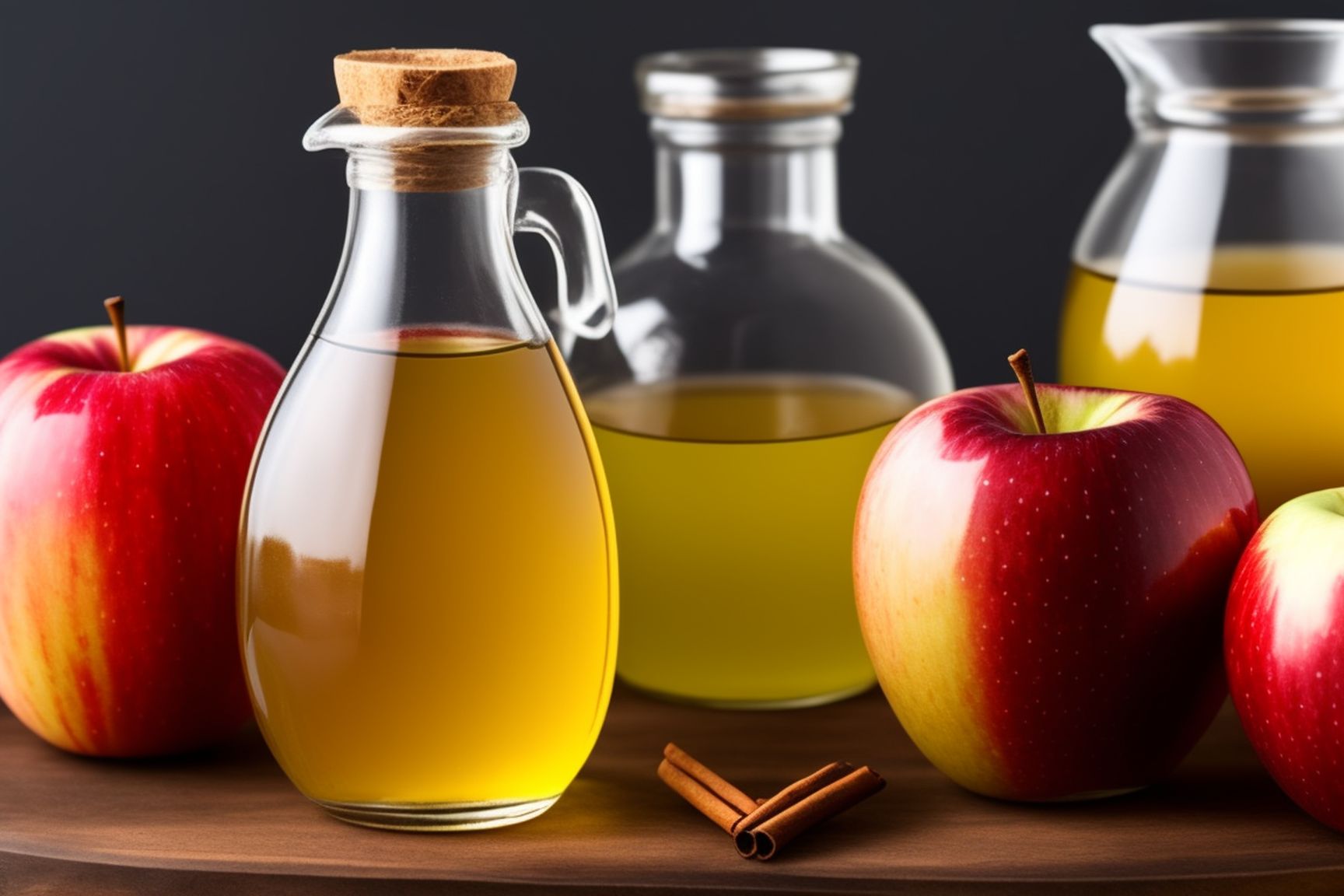
Apple cider vinegar is a vinegar that is made from fermented apple cider. During the fermentation process, natural yeasts and bacteria break down the sugar in the apple cider into alcohol, which is then fermented into acetic acid. This acid gives apple cider vinegar its sour taste and pungent smell.
Apple cider vinegar contains no fat, making it a great addition to a healthy diet. It is a fantastic source of minerals, vitamins, and enzymes that benefit health.
Using Apple Cider Vinegar for Skin Health
Thanks to its antibacterial, antifungal, and anti-inflammatory properties, it helps balance the skin’s pH, reducing the risk of acne and other skin infections. It can also help to exfoliate the skin as well as it removes dead skin cells, unclog pores, and it leaves the skin looking brighter and more radiant.
Apple cider vinegar to improve the health of your skin:
As a toner: Apple cider vinegar can be used as a natural toner to help balance the skin’s pH and reduce the risk of acne. Mix equal parts of water with apple cider vinegar. Apply it to the skin using a cotton ball but avoid the eye area. Rinse off with water after a few minutes.
As a spot treatment: Apple cider vinegar can be applied directly to pimples and other blemishes to help reduce inflammation and redness. Add a cotton swab in apple cider vinegar to the affected area. Leave it on for 3-5 minutes, and then rinse off with warm water.
As a face mask: Apple cider vinegar can be combined with other ingredients to create a natural face mask that can help to exfoliate and brighten the skin. Combine 1 tablespoon of honey, 1 tablespoon of apple cider vinegar, with 1 tablespoon of plain yogurt to make a mask. Apply the mixture to the face and then leave it on for 10-15 minutes. Rinse it off with water.
Using Apple Cider Vinegar for Hair Health
Additionally, apple cider vinegar improves your hair’s health. It can help remove buildup and residue from hair products, leaving hair looking dull and lifeless. It can also help to balance the scalp’s pH, reducing the risk of dandruff and other scalp infections.
Use apple cider vinegar to improve the health of your hair:
As a clarifying rinse: It can be used as a natural clarifying rinse to remove buildup and residue from hair products. Combine apple cider vinegar and water (equally). Apply to the hair after shampooing. Leave it on for 4 minutes, then rinse off with water.
As a dandruff treatment: Apple cider vinegar can treat dandruff and other scalp infections, thanks to its antibacterial and anti-fungal properties. Combine water and apple cider vinegar in equal parts and apply to the scalp using a cotton ball. Let it dry for 10-15 minutes. Rinse it off with water. Do this once or twice a week (depending on the dandruff issue).
As a hair rinse: It improves the shine and texture of your hair. Combine apple cider vinegar and water (equally). Apply to the hair after shampooing. Let it dry for 10-15 minutes. Rinse it off with water.
Tips for Using Apple Cider Vinegar
While apple cider vinegar can be a great natural remedy for improving the health of your skin and hair, it’s important to use it safely and responsibly.
Here are some tips:
Dilute it: Apple cider vinegar is highly acidic and can cause skin irritation and damage if undiluted. Always dilute with water before using it on your skin or hair.
Patch test first: Before using apple cider vinegar on your skin or hair, do a patch test to ensure you’re not allergic or sensitive to it. Apply a small amount of the diluted solution to a small area of skin or hair, and wait 24 hours to see if there’s any reaction.
Don’t overuse it: While apple cider vinegar can benefit the skin and hair, using it too often can have the opposite effect. Overuse can lead to dryness, irritation, and damage. Limit apple cider vinegar once or twice weekly, depending on your skin and hair type.
Use it in moderation: While apple cider vinegar can be a great natural remedy, it’s important to remember that it’s not a cure-all. Always use it in moderation, and don’t rely on it as your sole source of skincare or haircare.
In conclusion
Apple cider vinegar is a versatile and affordable natural remedy that improves the health of your skin and hair. Whether you’re using it as a toner, a spot treatment, a face mask, or a hair rinse, be sure to use it safely and responsibly and enjoy the benefits of this ancient remedy.
An athlete’s foot, known as tinea pedis, is a common fungal infection affecting the feet. It’s a contagious condition caused by a fungus called dermatophytes, which thrives in warm and damp environments, e.g., locker rooms, swimming pools, and public showers. Athletes’ foot typically causes itchy, red, and flaky skin on the feet, but in some cases, it can cause blisters and cracked skin. Fortunately, natural remedies can be used to treat athletes’ feet effectively.
Tea tree oil
It is a powerful natural antifungal agent effective against athlete’s foot. Just dilute a few drops in carrier oil, e.g., coconut and olive oil. Apply it to the affected area twice daily. Tea tree oil can irritate the skin in some people, so it’s essential to dilute it properly and test it on a small area of the skin first.
Garlic
Garlic is another natural anti-fungal agent that can be used to treat athletes’ feet. Garlic has a strong odour but is an effective remedy for an athlete’s foot. After crushing a few garlic cloves and mix them with coconut or olive oil. Make a paste, and apply it to the affected area. Leave it there for about 30 minutes before rinsing it with warm water.
Apple cider vinegar
It is a natural anti-fungal and antibacterial agent that can be used to treat athletes’ feet. Mix apple cider vinegar equally with water. Soak the feet in this solution for 15 to 20 minutes. You can apply the key to the affected area using a cotton ball. Apple cider vinegar may irritate the skin, so it’s essential to dilute it properly.
Baking soda
Baking soda is a natural remedy that can be used to alleviate the symptoms of an athlete’s foot. Mix water and 1 tablespoon of baking soda to create a paste. Apply it to the affected area. Wait 10 minutes and then wash it off with warm water. Baking soda can help to reduce the itching and inflammation associated with an athlete’s foot.
Epsom salt
It is a natural remedy that can be used to treat athletes’ feet. Mix warm water with a cup of Epsom salt. Soak the feet in the solution for 15 to 20 minutes. Epsom salt can help to soothe the skin and reduce the inflammation associated with an athlete’s foot.
Aloe vera
Aloe vera can help to moisturise the skin and reduce the itching associated with an athlete’s foot. It is a natural remedy that can be used to soothe the skin and reduce the inflammation associated with an athlete’s foot. Apply aloe vera gel where necessary and leave it on for 30 minutes. Rinse it off with warm water.
It is a natural anti-fungal agent that can be used to treat athletes’ feet. Oregano oil can irritate the skin, so it’s essential to dilute it properly. The mixture of 2-3 drops of oregano and carrier oil, e.g., coconut or olive oil, must be applied twice daily to the affected area.
In addition to these natural remedies, some lifestyle changes can help prevent an athlete’s foot from recurring.
These include:
Keep your feet clean and dry: Make sure to wash your feet daily and dry them thoroughly, especially between your toes. You should also change your socks and shoes daily and avoid damp shoes.
Anti-fungal powders or sprays: If you’re prone to athlete’s foot, use anti-fungal powders and sprays on your feet and shoes to help prevent the fungus from growing.
Wear breathable shoes: Shoes made of leather or mesh can help to keep your feet dry and prevent athlete’s foot.
Avoid going barefoot in public places: When you’re in public areas such as locker rooms, swimming pools, and showers, wear flip-flops or sandals to protect your feet from the fungus.
Maintain a healthy immune system: A healthy immune system can help to prevent fungal infections such as an athlete’s foot. Ensure you eat a balanced diet of vitamins and minerals, exercise regularly, and get enough sleep.In conclusion, an athlete’s foot is a common fungal infection that can be treated effectively with natural remedies.
Tea tree oil, garlic, apple cider vinegar, baking soda, Epsom salt, aloe vera, and oregano oil are all effective natural remedies for an athlete’s foot. However, it’s essential to make lifestyle changes to help prevent an athlete’s foot from recurring. Keep your feet clean and dry, use anti-fungal powders or sprays, wear breathable shoes, avoid going barefoot in public places, and maintain a healthy immune system. See a healthcare professional for further evaluation and treatment if your symptoms persist or worsen.
528 Hz – known as the “Love Frequency,” it is said to promote feelings of love, peace, and harmony, and can also be helpful for reducing stress and anxiety.
432 Hz – believed to be the frequency of the universe, it is said to have a calming effect on the mind and body and can be helpful for reducing stress, anxiety, and promoting relaxation.
396 Hz – known as the “Miracle Frequency,” it is believed to help release negative emotions, reduce feelings of guilt and fear, and promote feelings of inner peace and acceptance.
639 Hz – known as the “Connection Frequency,” it is said to promote feelings of connection with others and can be helpful for improving relationships and communication.
741 Hz – known as the “Awakening Frequency,” it is said to promote clarity and intuition and can be helpful for reducing anxiety and stress related to decision-making.
852 Hz – known as the “Third Eye Frequency,” it is believed to promote spiritual growth, increase awareness, and help you connect with your inner self.
It’s important to note that scientific evidence for the healing power of these frequencies is limited and more research is needed. However, many people find that listening to music with these frequencies can be a helpful tool for promoting relaxation, reducing stress, and improving their overall well-being.
Music has been an important part of human culture for thousands of years, and its benefits go beyond just entertainment. In fact, music therapy is becoming more widely recognised as a powerful tool for promoting physical and mental health. Whether you’re dealing with stress, chronic pain, or mental health issues, music therapy can be a helpful addition to your self-care routine. Here are some ways to incorporate music therapy into your life.
Create a playlist for relaxation.
Listening to calming music help reduce stress and anxiety. Creating a playlist of your favorite tunes can be a helpful tool for managing stress at home. Choose music with a slower tempo, gentle melodies, and minimal lyrics. Instrumental music, like classical, jazz, or nature sounds, can be particularly effective for promoting relaxation.
Dance it out
Dancing is not only a fun way to move your body, but it’s also a great way to release stress and improve your mood. Whether you put on your favorite upbeat pop tunes or you prefer to dance to the rhythm of some drums, dancing can be a powerful tool for boosting your mood and reducing stress.
Singing in the shower
Singing can be a powerful form of self-expression and can help promote feelings of happiness and well-being. Singing in the shower is a wonderful way to start your day. It doesn’t matter if you’re a good singer or not. Singing in the shower can be a fun and therapeutic way to boost your mood.
Using music to exercise
Music can be a helpful tool for staying motivated during exercise. Creating a playlist of upbeat and energising tunes can help keep you moving and make your workout more enjoyable. Try choosing songs with a tempo that matches the pace of your exercise, such as faster beats for cardio and slower beats for yoga.
Use music to manage
Pain Music can also be a helpful tool for managing pain. Listening to calming music can help reduce feelings of pain and discomfort and can even help lower blood pressure and reduce heart rate. Try listening to music during a hot bath, massage, or relaxation exercises.
Create a music journal. Keeping a music journal can be a helpful way to track your mood and emotions. Write down the songs that you listen to throughout the day and how they make you feel. Over time, you may notice patterns in your music choices and how they relate to your emotions.
Play an instrument Learning to play an instrument may be a rewarding and therapeutic experience. Playing music can help reduce stress and anxiety, improve cognitive function, and even promote physical health. Whether you’re interested in playing guitar, piano, or drums, there are plenty of resources available online to help you get started.
Music therapy can be a helpful tool for promoting physical and mental health. Whether you’re listening to calming music, dancing, or learning to play an instrument, incorporating music into your daily routine can definitely have a positive impact on your well-being. So, put on your favourite tunes and let the music do its magic!”
Acne is a common and uncomfortable skin condition affecting people of all ages, but it can be especially frustrating for middle-aged women and men who are still struggling with acne. Hormonal acne is caused by a lack of hormones in the body, which can cause excess oil production and inflammation of the skin. It can be difficult to treat, but natural remedies and lifestyle changes can alleviate the symptoms of hormonal acne.
Understanding Hormonal Acne
Before we dive into the remedies, let’s take a moment to understand hormonal acne. It is caused by an imbalance of androgens, which are male hormones that are present in both men and women. These hormones stimulate the sebaceous glands in the skin, leading to excess oil production. When this excess oil mixes with dead skin cells and bacteria, it can clog pores and lead to inflammation, resulting in pimples, blackheads, and whiteheads.
Hormonal acne is most common in women, especially during their menstrual cycle, pregnancy, and menopause. During these times, there is a shift in hormone levels, which can trigger acne breakouts. In men, hormonal acne is most commonly caused by an excess of testosterone, which can lead to excess oil production and acne.
Stress Management
Stress can trigger hormonal imbalances that can lead to acne breakouts. Managing stress can help reduce the likelihood of acne breakouts. Techniques such as meditation, yoga, and deep breathing can reduce stress levels.
Exercise
Regular exercising can help reduce stress levels and improve overall health, which can help reduce the likelihood of acne breakouts. Exercise also helps regulate hormone levels, which can help reduce the likelihood of acne breakouts.
Healthy Diet
Eating healthy food rich in fruits, vegetables, lean proteins as well as whole grains can improve overall health and reduce the likelihood of acne breakouts. Avoiding processed foods and foods that are high in sugar and refined carbohydrates can also help reduce the likelihood of acne breakouts.
Hydration
Drinking lots of water can help hydrate the skin and flush out toxins, which can help reduce the likelihood of acne breakouts.
Skincare Routine
Having a consistent step-by-step skincare routine that includes cleansing, toning, and moisturizing can keep the skin clean and hydrated, which can help reduce the likelihood of acne breakouts. It is important to use products that are gentle and non-comedogenic to avoid clogging pores.
Natural Remedies for Hormonal Acne
Tea Tree Oil
This oil is a natural antiseptic and anti-inflammatory agent that can help reduce the inflammation associated with hormonal acne. Tea Tree oil also has antibacterial properties to fight the bacteria that cause acne. Dilute the oil with carrier oil, e.g., coconut oil, and apply it wherever necessary with a cotton swab.
Apple Cider Vinegar
It has natural antibacterial and antifungal properties that can help reduce inflammation and kill the bacteria that cause acne. Mix apple cider vinegar in equal parts with water and apply it wherever necessary with a cotton swab. Rinse it off after a few minutes.
Zinc
It is an essential mineral that plays a key role in skin health and has anti-inflammatory properties that help reduce inflammation associated with hormonal acne. It also can help regulate the production of sebum, which can reduce the likelihood of acne breakouts. You can increase your intake of zinc by eating zinc-rich foods like oysters, pumpkin seeds, and spinach. You can also take zinc supplements.
Omega-3 Fatty Acids
They are anti-inflammatory and can reduce inflammation associated with hormonal acne. Eat more fatty fish like salmon, mackerel, and sardines. You can also take omega-3 supplements.
Probiotics
Probiotics are beneficial bacteria that live in the gut and play a key role in overall health. They can also help reduce inflammation and improve skin health, which can help reduce the likelihood of acne breakouts. Increase your intake of probiotics by eating fermented foods like yogurt, kefir, and kimchi. You can also take probiotic supplements.
Green Tea
Green tea has natural anti-inflammatory properties that can reduce inflammation associated with hormonal acne and have antioxidant properties that protect the skin from damage. To use green tea, brew a cup of green tea and let it cool. Apply it to the affected area with a cotton swab.
Aloe Vera
It has natural anti-inflammatory properties that can help reduce inflammation associated with hormonal acne. It also has antibacterial properties that fight the bacteria that cause acne. To use aloe vera, cut open an aloe vera leaf and apply the gel to the affected area.
Honey
It is very antibacterial and anti-inflammatory; therefore, it can reduce inflammation and fight the bacteria that cause acne. Honey also has moisturizing properties that can help soothe and hydrate the skin. To use honey, apply a small amount wherever necessary and leave it on for 10-15 minutes before rinsing it off with warm water.
Turmeric
Turmeric has natural anti-inflammatory and antibacterial properties that can help reduce inflammation and fight the bacteria that cause acne. To use turmeric, mix it with a small amount of water or honey and create a paste. Apply it wherever necessary and leave it on for 10-15 minutes. Rinse it off with warm water.
Vitamin A Supplements
It is a fat-soluble vitamin that plays a key role in maintaining healthy skin. Vitamin A has anti-inflammatory and antibacterial properties that can reduce inflammation and fight the bacteria that cause acne. Taking a vitamin A supplement may help alleviate the symptoms of hormonal acne. It is crucial to consult with a healthcare provider before taking any supplements, as high doses of vitamin A can be toxic.
Witch Hazel
It is a natural astringent that can help reduce inflammation and tighten pores, which can help prevent acne breakouts. To use witch hazel, apply a small amount on a cotton ball and apply it wherever necessary and leave it on for 5 minutes before rinsing it off with warm water.
Final Thoughts
It can be frustrating to deal with hormonal acne, but there are many natural remedies and lifestyle changes that can help alleviate the symptoms. It is important to remember that it may take time to see results, and it is important to be patient and consistent with the remedies and lifestyle changes. If acne persists, it may be a good idea to consult with a dermatologist to explore other treatment options. With the right approach, it is possible to achieve clear, healthy skin.
The human body needs essential vitamins and minerals to function properly, as they play a significant role in digestion, immune system support, and bone health. However, despite their importance, deficiencies in these vital nutrients are common among people. Natural remedies can be beneficial to tackle some of the most frequent vitamin and mineral deficiencies.
In this article I will discuss:
Iron, Vitamin D, Magnesium, Vitamin B12, vitamin A, Vitamin E, Potassium, Calcium, Vitamin C and Zinc.
I recommend this supplement as it covers nearly all vitamins and minerals which is really efficient.
FOREVER DAILY: This powerful multivitamin delivers 100% of the recommended daily allowance (RDA) of essential vitamins and minerals including vitamins A, C, D and B12, iron, calcium and zinc.
Iron is a mineral necessary for hemoglobin formation in red blood cells, responsible for transferring oxygen throughout the body. Insufficient iron intake can lead to anemia, causing fatigue, dizziness, shortness of breath, pale skin, brittle nails, hair loss, and swollen tongue. Consuming vitamin C-rich foods with iron-rich foods can enhance iron absorption. Red meat, liver, fish, poultry, lentils, tofu, spinach, oranges, tomatoes, and bell peppers are some of the iron-rich foods that can help fight iron deficiency anemia.
Vitamin D, a fat-soluble vitamin, is crucial for healthy bones and teeth and the absorption of calcium and phosphorus from food. The deficiency symptoms include bone pain, muscle weakness, fatigue, depression, rickets in children, and osteomalacia in adults. Natural ways to increase vitamin D levels are spending time outdoors in sunlight for at least 10-15 minutes daily and eating fatty fish, e.g., salmon, tuna, mackerel, egg yolks, or fortified foods like milk and orange juice.
Magnesium, a mineral crucial in over 300 biochemical reactions, regulates heart rhythm, supports the immune system, and maintains healthy bones. Magnesium deficiency can lead to muscle weakness, cramps, heart palpitations, anxiety, depression, fatigue, and insomnia. Eat foods rich in magnesium, e.g., spinach, almonds, avocados, and dark chocolate, or apply magnesium oil to the skin, which can help increase magnesium levels.
Vitamin B12 is a water-soluble vitamin vital for the nervous system’s proper functioning, red blood cell production, and DNA synthesis, found primarily in animal-based foods. Vegans and vegetarians are at a higher risk of B12 deficiency, which can cause fatigue, weakness, numbness, tingling in feet and hands, difficulty walking, depression, and irreversible nerve damage. To increase B12 levels, consume vitamin B12-rich foods or supplements. Fortified foods like cereals and plant-based kinds of milk can be beneficial for vegetarians and vegans.
Vitamin A, a fat-soluble vitamin, is vital for maintaining healthy vision, skin, and immune function. Carrots, sweet potatoes, pumpkin, butternut squash, spinach, kale, collard greens, liver, dairy products, eggs, fatty fish like salmon and mackerel, and supplements can help increase vitamin A intake naturally. Vitamin A deficiency can cause dry skin, dry eyes, vision problems, immune system issues, and even blindness. It
VItamin E, a fat-soluble vitamin, an antioxidant that protects the cells from damage caused by free radicals. Vitamin E deficiency can cause nerve damage, muscle weakness, and impaired immune function. Consume nuts, seeds, leafy greens, fortified cereals, and vegetable oils to increase vitamin E intake. However, taking a vitamin E supplement should be done cautiously, as exceeding the recommended dosage can increase the risk of bleeding.
Another vital nutrient is potassium, which plays a crucial role in muscle and nerve function, heart health, and fluid balance in the body. A potassium deficiency can lead to muscle weakness, cramps, and an irregular heartbeat. To increase potassium intake, consume bananas, sweet potatoes, spinach, avocados, and beans. Taking a potassium supplement should only be done after consulting with a doctor, as excessive potassium intake can lead to heart palpitations and other complications.
Calcium is a mineral vital for healthy bones, teeth, and vital bodily functions like muscle and nerve function, blood clotting, and regulating heart rhythm. A calcium deficiency can cause osteoporosis, a condition that weakens bones and makes them brittle. Symptoms of the deficiency can include muscle cramps, dry skin, brittle nails, and weakened bones. To increase calcium intake, consume dairy products, leafy greens like kale and collard greens, and fortified foods like cereal and plant-based milk. Taking a calcium supplement should also be done under a doctor’s supervision, as excessive calcium intake can cause kidney stones and other complications.
Vitamin C, known as ascorbic acid, is a water-soluble vitamin that is essential for immune function, wound healing, and iron absorption. A deficiency in vitamin C can lead to scurvy, which is characterized by fatigue, muscle weakness, joint and muscle aches, and bleeding gums. To increase vitamin C intake, consume citrus fruits, strawberries, kiwi, and bell peppers. While taking a vitamin C supplement is beneficial, exceeding the recommended dosage can lead to diarrhea and stomach cramps.
Finally, zinc is a mineral essential for immune function, wound healing, and proper taste and smell function. A zinc deficiency can cause delayed wound healing, hair loss, and a weakened immune system. To increase zinc intake, consume foods rich in zinc, such as oysters, beef, pork, chicken, and nuts. Taking a zinc supplement should also be done with caution, as excess zinc intake can lead to nausea, vomiting, and stomach cramps.
To deal with deficiencies of these vital nutrients, a balanced diet is essential, consisting of various fruit, vegetables, whole grains, and lean proteins. If you are struggling to get enough of a particular vitamin or mineral, consider taking a supplement or incorporating nutrient-rich foods into your diet. However, consulting with a doctor before taking any supplements is crucial, as excessive intake of some nutrients can lead to harmful side effects. By making a little effort and being mindful of one’s nutrient intake, individuals can ensure that their body functions at their best.














 ALL NATURAL TOKS